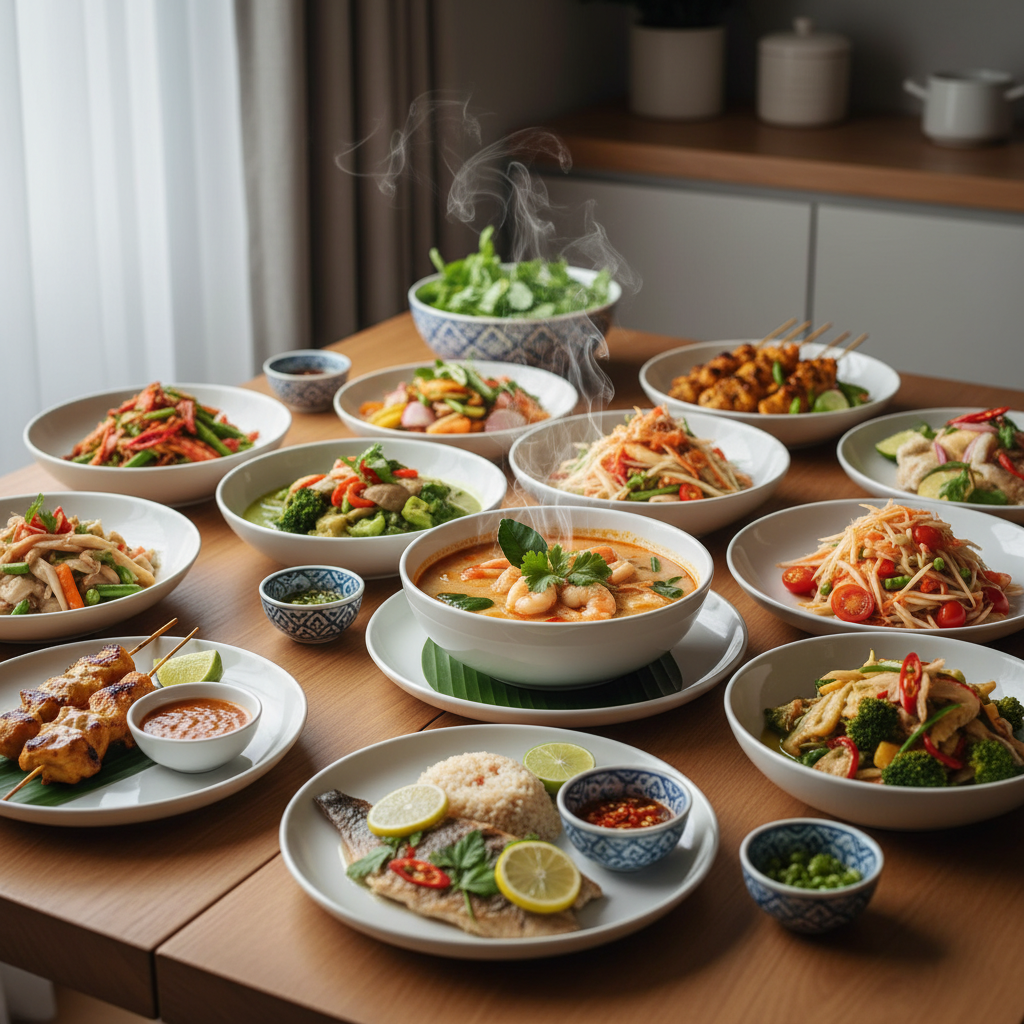
Thai cuisine is one of the world's great food traditions. It's vibrant, aromatic, and genuinely satisfying. But if you're managing Hashimoto's thyroiditis, stepping into a Thai restaurant can feel less like a treat and more like a minefield. Which dishes are safe? What's hidden in that sauce? Should you worry about soy, gluten, or iodine levels?
The good news is that Thai food, when navigated thoughtfully, can actually be a strong fit for an autoimmune-supportive diet. Many traditional Thai ingredients are naturally anti-inflammatory, and the cuisine offers a lot of flexibility if you know what to look for. This guide breaks down exactly how to approach Thai menus with Hashimoto's in mind, so your next restaurant visit feels confident rather than stressful.
Understanding Hashimoto's and Why Food Choices Matter at Restaurants
Hashimoto's thyroiditis is an autoimmune condition where the immune system attacks thyroid tissue, gradually impairing thyroid hormone production. Diet doesn't cause Hashimoto's, but certain foods can amplify inflammation, interfere with thyroid hormone synthesis, or trigger immune responses that make symptoms worse.
For many people, the challenge isn't knowing what to eat at home. It's knowing what to eat when you're out. Restaurant menus rarely list every ingredient, sauces contain hidden additives, and asking detailed questions of a server can feel uncomfortable. These everyday frictions are exactly why so many people with thyroid autoimmune conditions avoid eating out altogether, which is a real shame.
Key Dietary Concerns for Hashimoto's
Before looking at specific Thai dishes, here are the core dietary factors people with Hashimoto's typically need to consider:
- Gluten: A significant body of research links gluten sensitivity with Hashimoto's. Many practitioners recommend a gluten-free approach, particularly for those who also have celiac disease.
- Iodine: Both excess and deficiency can worsen thyroid function. High-iodine ingredients like seaweed and shellfish may need to be moderated depending on your individual situation.
- Soy: Soy contains compounds called isoflavones that may interfere with thyroid hormone absorption, especially in large amounts or consumed close to medication timing.
- Goitrogens: Raw cruciferous vegetables (like raw cabbage) can inhibit thyroid hormone production in excess, though cooking largely neutralizes this effect.
- Food additives and preservatives: Some common food additives may contribute to gut permeability issues that are often implicated in autoimmune flares.
Thai cooking does use some of these ingredients, but not in every dish. With the right knowledge, you can navigate the menu well.
Thai Ingredients That Support an Anti-Inflammatory Autoimmune Diet
Here's something that often surprises people: Thai cuisine has a remarkable number of ingredients that are genuinely supportive for those managing autoimmune conditions. The traditional herb-forward cooking style means many dishes are rich in compounds with natural anti-inflammatory properties.
Herbs and Aromatics Worth Celebrating
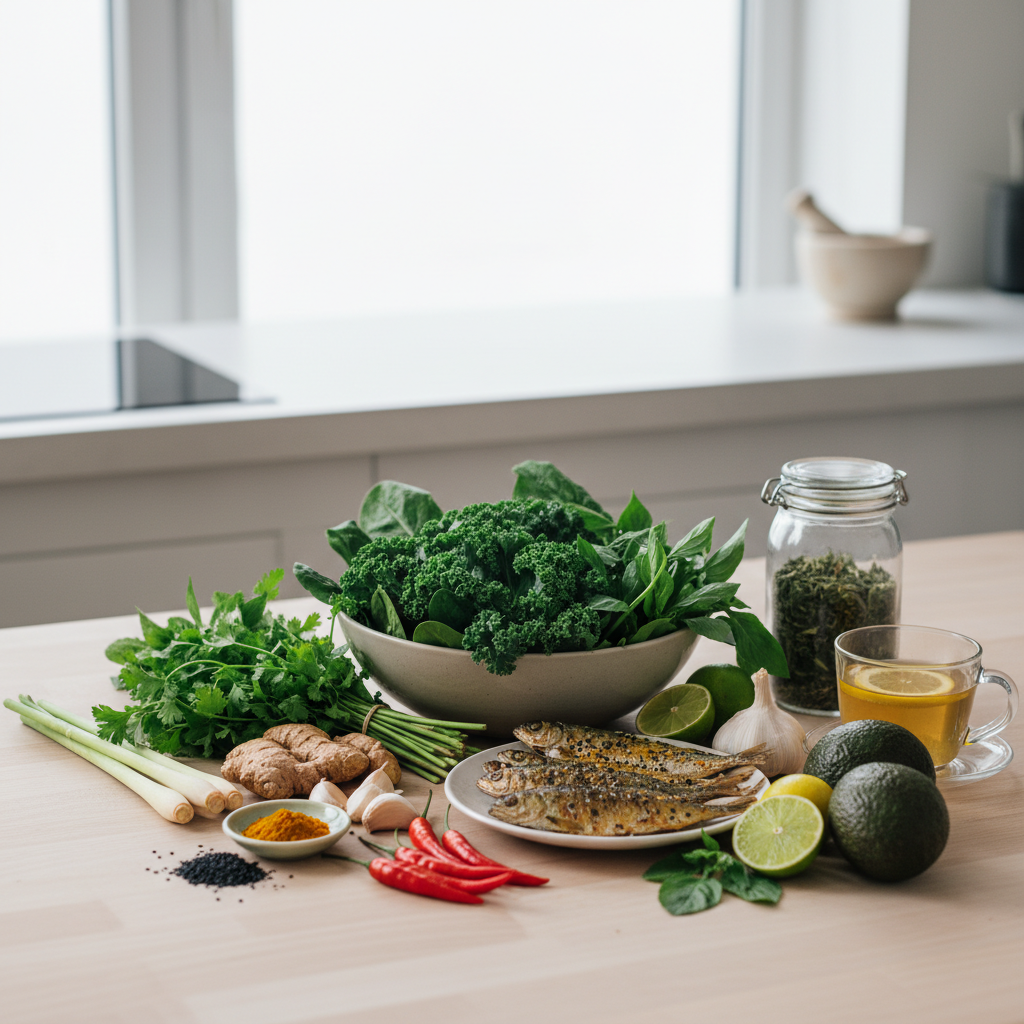
- Turmeric (Kamin): A staple in many Thai curries, turmeric contains curcumin, which has been widely studied for its anti-inflammatory effects. For someone managing thyroid autoimmune inflammation, this is genuinely helpful.
- Lemongrass: Used in soups, curries, and salads, lemongrass has antioxidant properties and supports digestive health.
- Galangal: Similar to ginger and used in soups like Tom Kha, galangal has anti-inflammatory and gut-soothing benefits.
- Fresh ginger: Anti-inflammatory and supports immune regulation.
- Garlic and shallots: Both support immune function and have mild antimicrobial properties.
- Thai basil and kaffir lime leaves: Rich in antioxidants and phytonutrients.
A cuisine built on these ingredients is a strong foundation. The key is choosing dishes where these aromatics shine and where the more problematic ingredients (heavy soy sauce, wheat-based noodles) take a back seat.
Best Thai Dishes for People with Hashimoto's
Not all Thai dishes are created equal when it comes to autoimmune diet compatibility. Here's a practical breakdown of what tends to work well and what to approach with more caution.
Go-To Choices
Tom Kha Gai (Coconut Galangal Soup)
This is arguably one of the most Hashimoto-friendly dishes on any Thai menu. Made with coconut milk, galangal, lemongrass, kaffir lime leaves, and chicken, it's naturally gluten-free, dairy-free, and free from soy. The coconut milk provides medium-chain fatty acids that support energy metabolism, and the herb base is strongly anti-inflammatory. Ask that fish sauce is used in moderation if you're watching iodine intake.
Green or Yellow Curry with Chicken or Vegetables (Rice-Based)
Thai curries made with coconut milk and served with jasmine rice are a reliable choice. Yellow curry in particular contains turmeric heavily, supporting an anti-inflammatory Thai eating pattern. Request the curry without added soy sauce and confirm it's served with plain steamed rice rather than any wheat-containing side.
Larb (Minced Meat Salad)
A northern Thai specialty made with minced chicken or pork, fresh herbs, lime juice, and toasted rice powder. It's typically gluten-free and soy-free. The fresh herb content (mint, cilantro, shallots) makes it a nutrient-dense choice.
Grilled Protein Dishes (Moo Ping, Gai Yang)
Grilled pork skewers or grilled chicken are often marinated with lemongrass, garlic, and fish sauce rather than heavy soy-based marinades. These are lean, straightforward protein sources with minimal processing.
Dishes to Approach with Caution
Dish | Potential Concern | Modification Option |
|---|---|---|
Pad Thai | Often contains soy sauce, may use wheat-based noodles | Request rice noodles, tamari instead of soy sauce |
Pad See Ew | Wide rice noodles are fine but sauce typically contains dark soy sauce (wheat-based) | Ask for gluten-free soy sauce if available |
Tom Yum with Shrimp | Shellfish is high in iodine | Request chicken or tofu version |
Seaweed-based dishes | High iodine content | Avoid or discuss with your healthcare provider |
Fried tofu starters | High soy content, often wheat-coated | Skip or substitute with spring rolls without tofu |
Navigating the Menu: Practical Strategies for Thai Restaurant Dining
Knowing which ingredients matter is one thing. Translating that knowledge at an actual restaurant table is another. Here are the strategies that work in practice for people managing Hashimoto's disease at restaurants.
Ask the Right Questions Without Overthinking It
You don't need to deliver a medical history to your server. A few targeted questions go a long way:
- "Does this dish contain any soy sauce or wheat-based sauce?"
- "Can the sauce be served on the side?"
- "Is it possible to use fish sauce only rather than soy sauce in this dish?"
- "Are the noodles rice-based or wheat-based?"
Most Thai restaurants are genuinely accommodating. Staff are used to allergy and dietary requests, and many kitchens can adjust sauces or swap proteins without difficulty.
Pre-Screen the Menu Before You Arrive
Looking at the menu in advance removes a lot of the pressure. If you can identify two or three safe options before you sit down, the dining experience becomes far more relaxed. This is exactly where Align Eat makes a real difference. The platform uses AI to instantly scan restaurant menus and flag dishes that match your specific dietary profile, including autoimmune and thyroid-related restrictions, so you arrive informed rather than anxious.
Iodine and Hashimoto's: A Nuanced Point
The relationship between iodine and Hashimoto's at a restaurant deserves specific attention. Iodine is found in seafood, shellfish, and certain seaweed-based ingredients. The concern isn't that iodine is universally harmful for people with Hashimoto's. Rather, excess iodine can stimulate thyroid activity and potentially worsen autoimmune flare-ups in those already dealing with elevated antibodies.
In Thai cuisine, fish sauce (Nam Pla) is used widely and does contain some iodine, but typically not in amounts that cause concern when consumed in normal restaurant portions. Shellfish dishes carry a higher iodine load and may be worth limiting depending on your clinical picture. Always defer to your endocrinologist or dietitian for personalized guidance here, since iodine needs vary significantly between individuals.
People managing food allergies more broadly face similar challenges around hidden ingredients. Food allergy statistics show that millions of people worldwide are navigating these complexities every time they eat out, underscoring how significant and common this challenge truly is.
A Counterargument Worth Acknowledging (and Responding To)
Some clinicians and researchers argue that dietary interventions for Hashimoto's are overstated. There is genuine debate about how much diet influences thyroid antibody levels versus how much it simply affects general wellbeing. A strict gluten-free or soy-free diet hasn't been proven to resolve Hashimoto's in every individual, and for some people with no true gluten sensitivity, the restriction may be unnecessary.
This is a fair point. We're not suggesting everyone with Hashimoto's needs to follow a rigid elimination protocol. What we are saying is that for people who *do* notice symptom improvement when avoiding certain triggers, having reliable information about what's in your food matters enormously. The goal isn't perfection. It's confidence. Knowing what you're eating lets you make your own informed decision, whether that means going strict or staying flexible.
The same principle applies to dining out. You don't need to interrogate every meal, but you do deserve to understand what's in the food in front of you.
Looking Ahead: The Future of Autoimmune-Friendly Restaurant Dining
The intersection of personalized nutrition and restaurant technology is moving quickly. We're already seeing restaurants in major cities across Asia, Europe, and North America add detailed allergen and dietary filters to their digital menus. AI-powered tools are beginning to close the gap between what diners need and what menus communicate, making it realistic to imagine a world where anyone with a thyroid condition (or any specific dietary need) can walk into any Thai restaurant anywhere in the world and instantly know their safe options.
For people managing thyroid disease and Thai cuisine choices simultaneously, this isn't a small convenience. It's a meaningful shift in how accessible the dining world becomes. The stress that comes with eating out while managing an autoimmune condition is real, and it deserves real solutions.
Conclusion
Thai food doesn't have to be off-limits with Hashimoto's. The cuisine's herb-rich, naturally gluten-free core makes it genuinely compatible with an anti-inflammatory, autoimmune-supportive way of eating, as long as you know which dishes to prioritize and which to modify. Tom Kha Gai, grilled proteins, herb-forward salads, and rice-based curries are your allies. Heavy soy sauces, shellfish in large quantities, and wheat-based noodles deserve a second look.
The broader strategy is the same regardless of cuisine: arrive informed, ask targeted questions, and don't let uncertainty take the pleasure out of eating. With the right tools and a little preparation, dining out with Hashimoto's can be genuinely enjoyable, not just survivable.
Frequently Asked Questions
Is Thai food generally safe for people with Hashimoto's thyroiditis?
Thai food can be very compatible with a Hashimoto's-friendly diet when you choose wisely. Many traditional Thai dishes are naturally gluten-free, dairy-free, and rich in anti-inflammatory herbs like turmeric, galangal, and lemongrass. The main areas to watch are soy sauce (which can interfere with thyroid hormone absorption), wheat-based noodles, and shellfish dishes with higher iodine content. With some awareness of these specific ingredients, Thai cuisine is actually a strong option for people managing thyroid autoimmune conditions.
Should people with Hashimoto's avoid fish sauce in Thai dishes?
Fish sauce contains some iodine, but typically not in amounts that pose a significant concern when consumed in normal restaurant portions. The relationship between iodine and Hashimoto's is nuanced. While excess iodine can worsen autoimmune thyroid flare-ups in some individuals, moderate amounts found in standard Thai cooking are generally considered acceptable for most people. If you have elevated thyroid antibodies or have been advised by your doctor to monitor iodine closely, you might ask for fish sauce to be used minimally, but a blanket avoidance is rarely necessary. Always check with your endocrinologist for personalized guidance.
How can I find out which Thai dishes are safe before arriving at the restaurant?
Reviewing the menu in advance is one of the most effective strategies for stress-free dining with Hashimoto's. Many restaurants now share their menus online, which gives you time to identify safe options without pressure at the table. AI-powered tools like Align Eat can take this further by instantly analyzing restaurant menus against your specific dietary profile, flagging dishes that align with your autoimmune and thyroid-related restrictions. This kind of preparation transforms the dining experience from anxious to genuinely enjoyable.